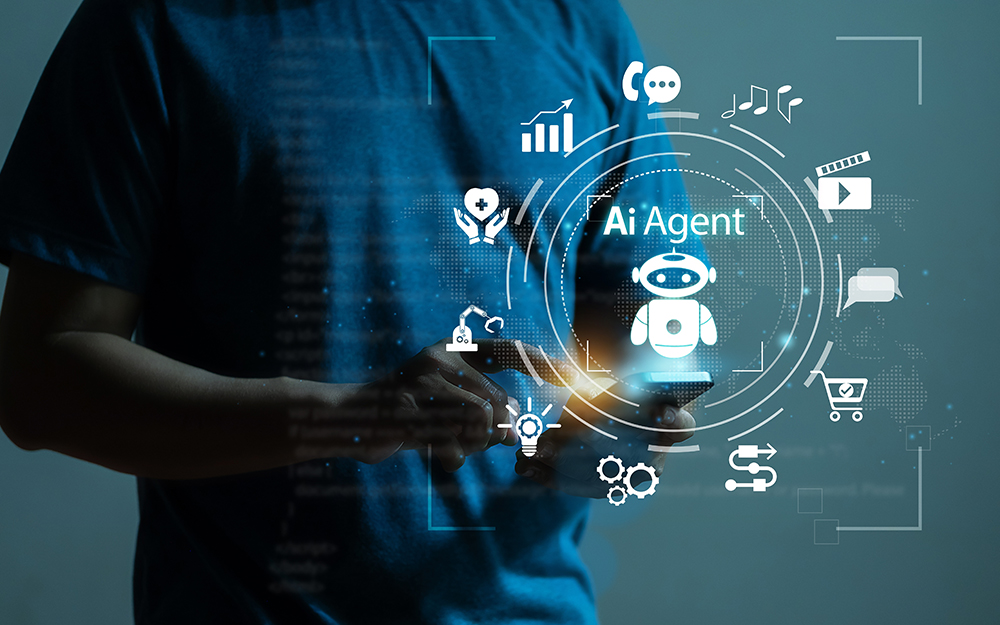

Agentic AI emerges as a game-changer in late 2025, empowering systems to autonomously plan, execute, and adapt tasks without constant human input.
This technology shifts paradigms, automating intricate workflows while elevating human roles to strategic heights.
Thus, businesses harness Agentic AI to boost efficiency, cut costs, and foster innovation.
Moreover, as organisations integrate these intelligent agents, they redefine job structures, creating hybrid teams where humans and AI collaborate seamlessly.
In this article, we delve into how Agentic AI revolutionises operations and reshapes careers, drawing from recent industry insights.
Defining Agentic AI: Autonomy Meets Intelligence
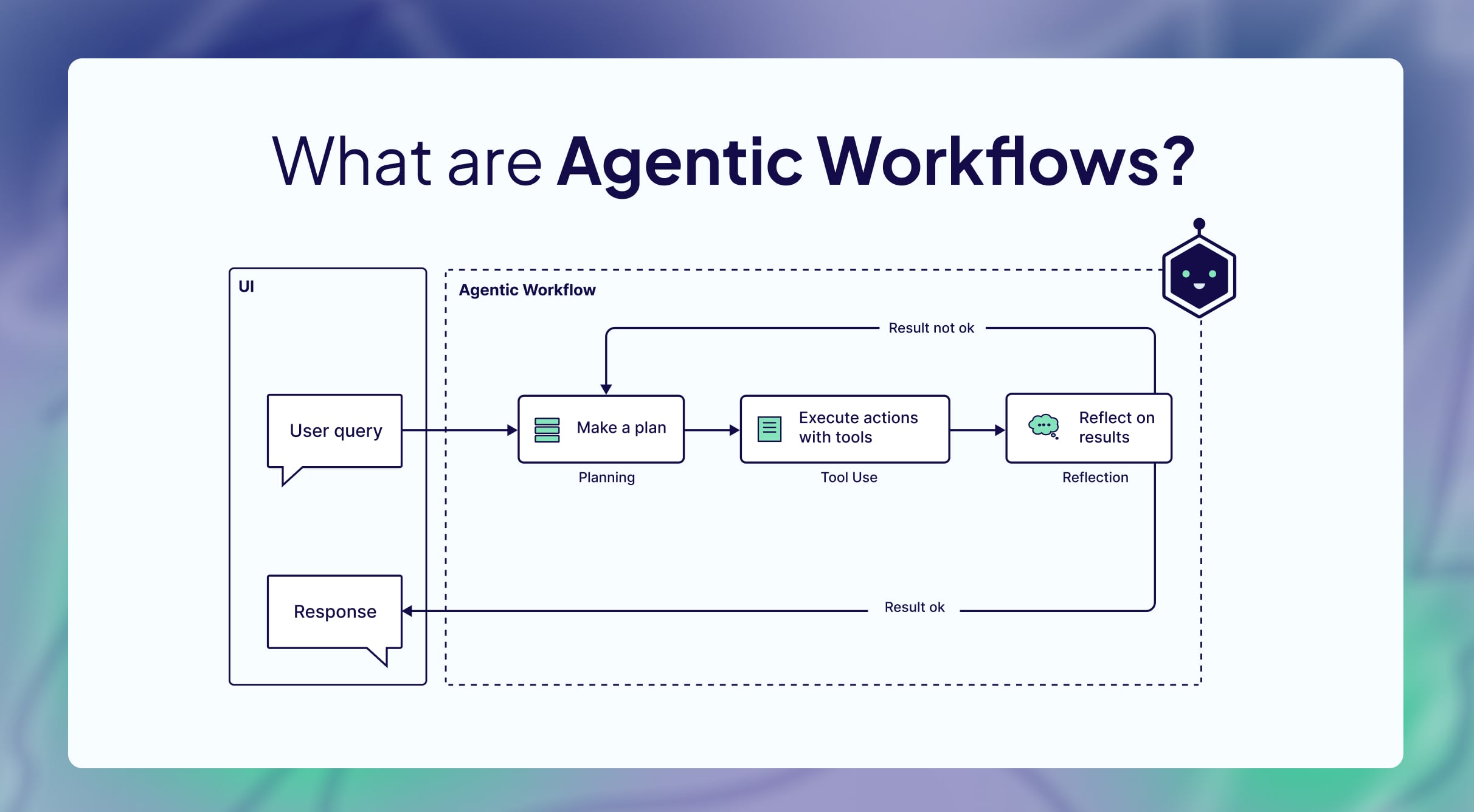
Agentic AI actively combines advanced reasoning, memory, and tool integration to achieve goals independently.
Unlike passive generative models that respond to prompts, Agentic AI initiates actions, learns from outcomes, and adjusts strategies in real time.
For instance, it orchestrates supply chain logistics by forecasting disruptions and rerouting shipments proactively.
Also, this independence comes from large language models that have been improved with planning skills, allowing agents to divide complicated goals into manageable tasks.
As a result, Agentic AI transforms static processes into dynamic, resilient systems that operate around the clock.
The Evolution from Rigid Automation to Adaptive Agents
Traditional robotic process automation (RPA) follows scripted rules, but Agentic AI adapts dynamically to changes and errors.
This evolution allows agents to handle unpredictable scenarios, such as interface updates or data anomalies, without halting operations.
Moreover, companies transition by embedding Agentic AI into existing platforms, turning ERP and CRM systems into intelligent ecosystems.
Thus, workflows accelerate by 30–50%, reducing human error and enabling 24/7 productivity.
For example, in banking, agents modernise legacy codes by documenting, testing, and reviewing them autonomously, which slashes development time by over 50%.
Key Ways Agentic AI Transforms Enterprise Workflows
Agentic AI proactively executes multifaceted tasks, from data gathering to decision-making.
In supply chains, agents monitor streams, predict issues, and trigger responses like inventory adjustments.
Additionally, it bridges silos by connecting disparate systems, fostering end-to-end automation.
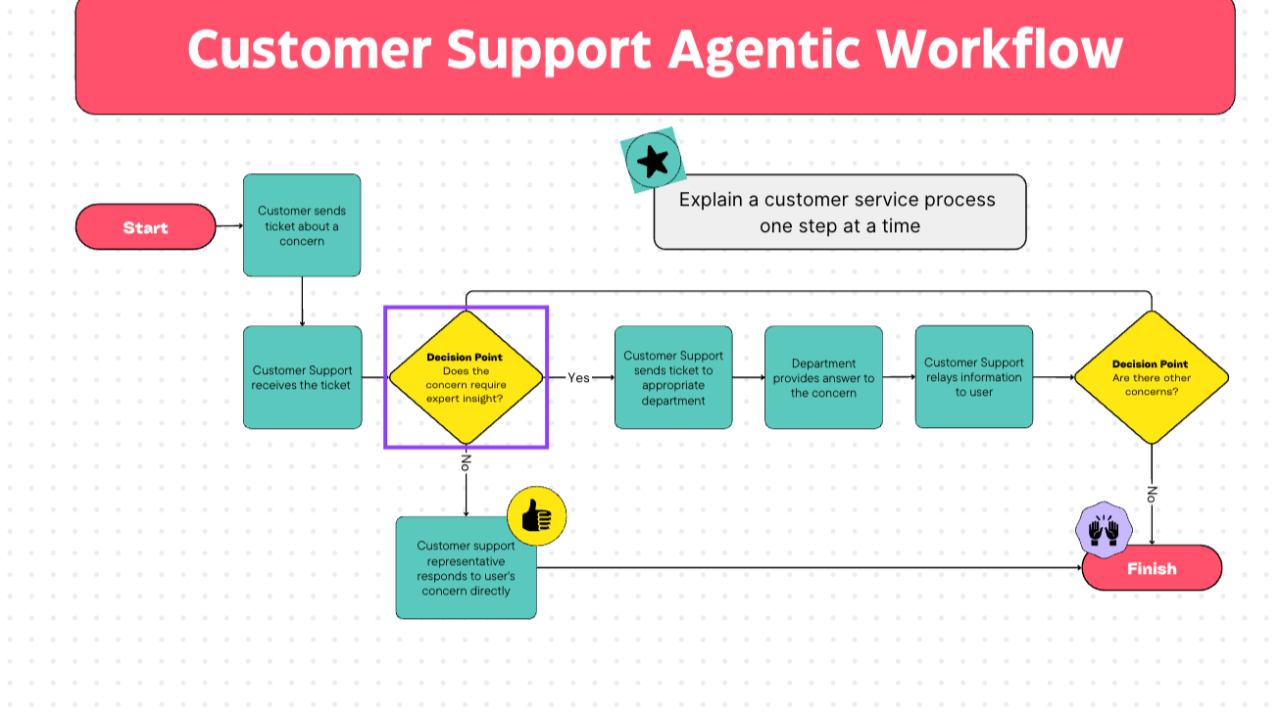
For instance, in customer service, agents resolve queries by accessing records and proposing solutions, cutting handling time by 40% and boosting satisfaction scores.
Furthermore, in marketing, agents personalise outreach by researching leads and scheduling interactions, which enhances conversion rates by 25%.
However, this transformation demands reimagining processes, eliminating redundancies rather than merely speeding them up.
Redefining Jobs: Elevating Humans in the AI Era
Agentic AI redefines jobs by delegating routine execution, allowing workers to focus on oversight and innovation.
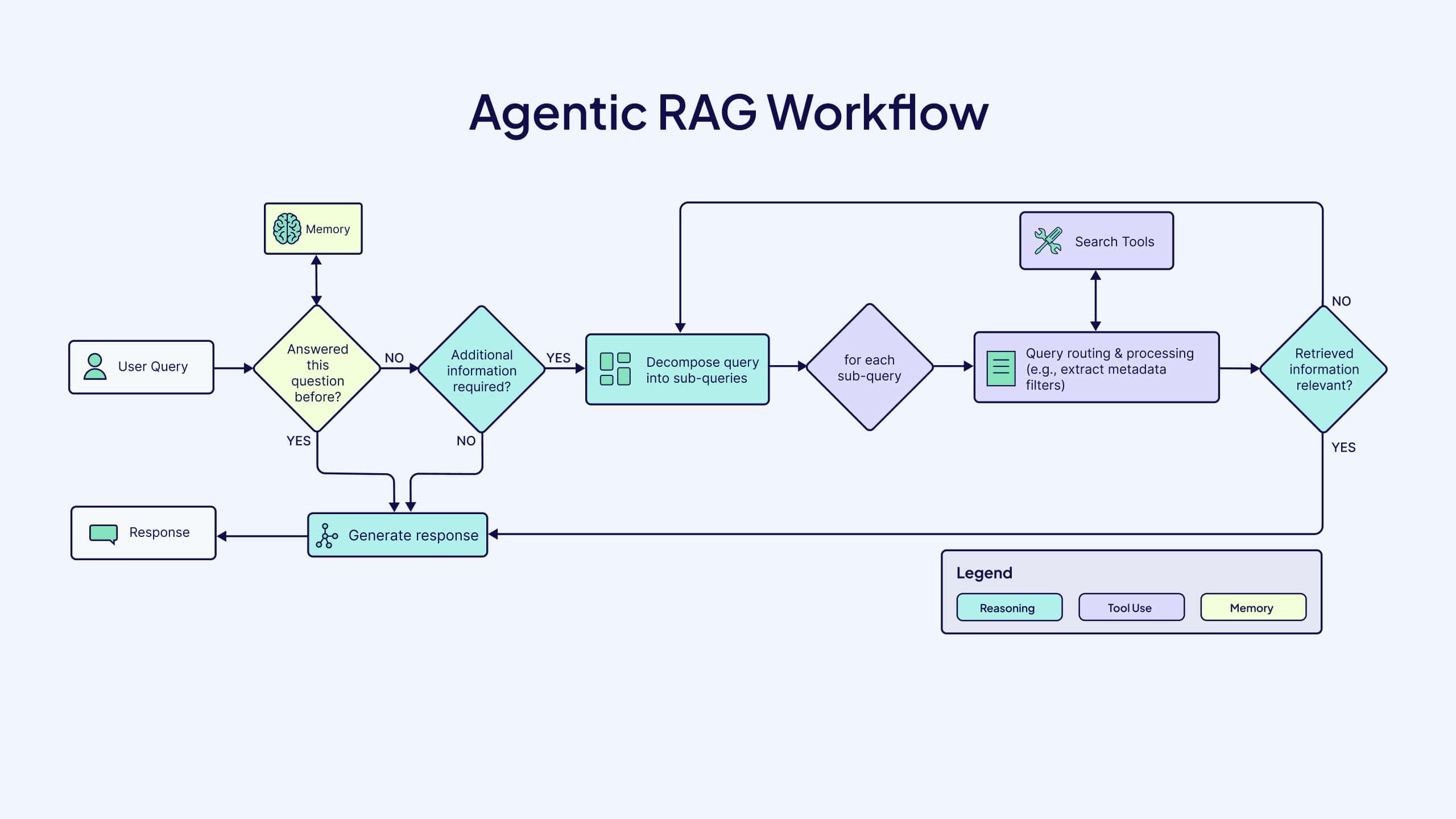
Employees shift from detailing “how” to specifying “what”, becoming orchestrators who set goals and refine AI outputs.
Thus, roles evolve into hybrid positions, such as agent supervisors who handle escalations and ensure compliance. For example, in HR, agents manage scheduling and staffing, freeing managers for strategic talent development.
Moreover, this human-led approach amplifies creativity and empathy, where AI processes data while people drive ethical decisions.
As a result, organisations report productivity gains of 60–70% for routine tasks, reallocating time to high-value activities.
Overcoming Implementation Challenges with Strategic Approaches
Organisations actively address hurdles like data silos and security risks when deploying Agentic AI.
They build governance frameworks, incorporating guardrails for ethical boundaries and explanation.
Additionally, adopting zero-trust architectures authenticates agents, preventing unauthorised actions. But for teams to succeed, they must be upskilled through AI collaboration training.
For instance, companies like Toyota use agents for real-time visibility, bridging legacy systems without full overhauls.
Thus, pilot programs demonstrate ROI, such as 20–60% efficiency boosts in credit processing.
Industry-Specific Impacts of Agentic AI
Across sectors, this software drives tailored transformations. In finance, agents monitor risks and automate reporting, reducing events by 60%.
Similarly, healthcare agents coordinate patient data and personalise care plans to enhance outcomes.
Moreover, manufacturing benefits from predictive maintenance, where agents optimise machinery workflows to minimise downtime.
Sales agents autonomously nurture leads, thereby compounding revenue through personalised strategies. Sales agents nurture leads autonomously, compounding revenue through personalised strategies.
As these applications scale, industries achieve operational elasticity, adapting swiftly to market shifts.
Ethical Governance: Ensuring Responsible Agentic AI Deployment
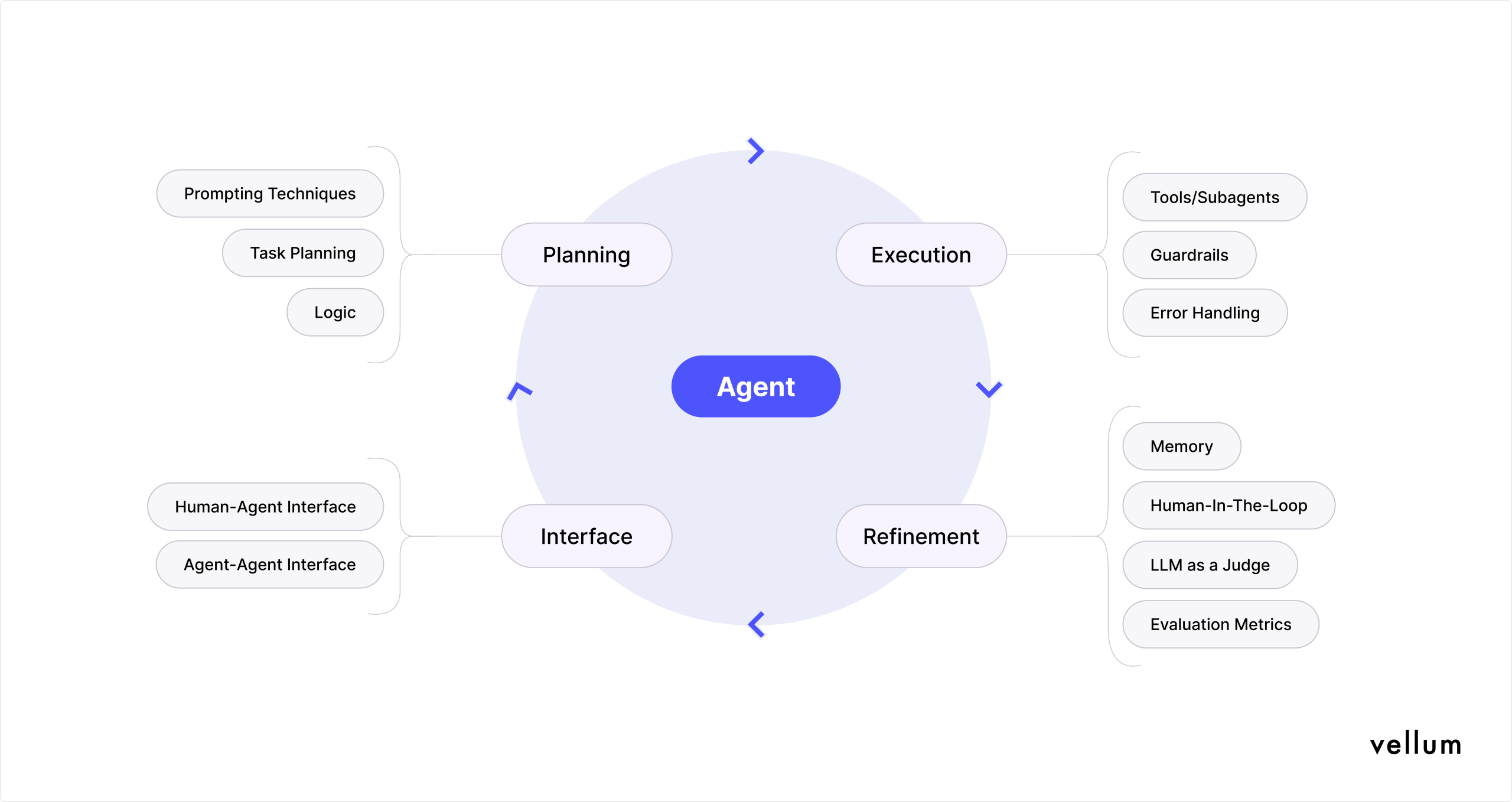
Developers embed transparency and bias mitigation into Agentic AI from the outset.
Organisations establish autonomous spectrums, reserving critical decisions for humans.
Furthermore, performance management treats agents like employees, with logs for audits and updates for skill enhancement.
However, ethical challenges arise in job displacement, prompting reskilling initiatives to maintain workforce equity.
Thus, balanced governance fosters trust, ensuring Agentic AI amplifies human potential without unintended harms.
Looking Ahead: The Long-Term Vision for Agentic AI
This AI propels towards a silicon-based workforce by 2026, integrating multi-agent systems for collaborative problem-solving.
Companies envision agents as digital teammates, handling composite tasks across domains.
Moreover, advancements in knowledge graphs enhance data usability, fuelled by more sophisticated workflows.
Ultimately, this technology unlocks new revenue models, like pay-per-use services, while sustaining innovation.
In conclusion, it actively transforms workflows by infusing autonomy and intelligence while redefining jobs to emphasise human strengths.
Businesses that embrace this shift gain competitive edges, but they must navigate challenges thoughtfully.
As 2025 closes, this technology stands ready to redefine the future of work, blending human ingenuity with machine efficiency for unprecedented progress.
Also Read: How World Labs Is Advancing AI