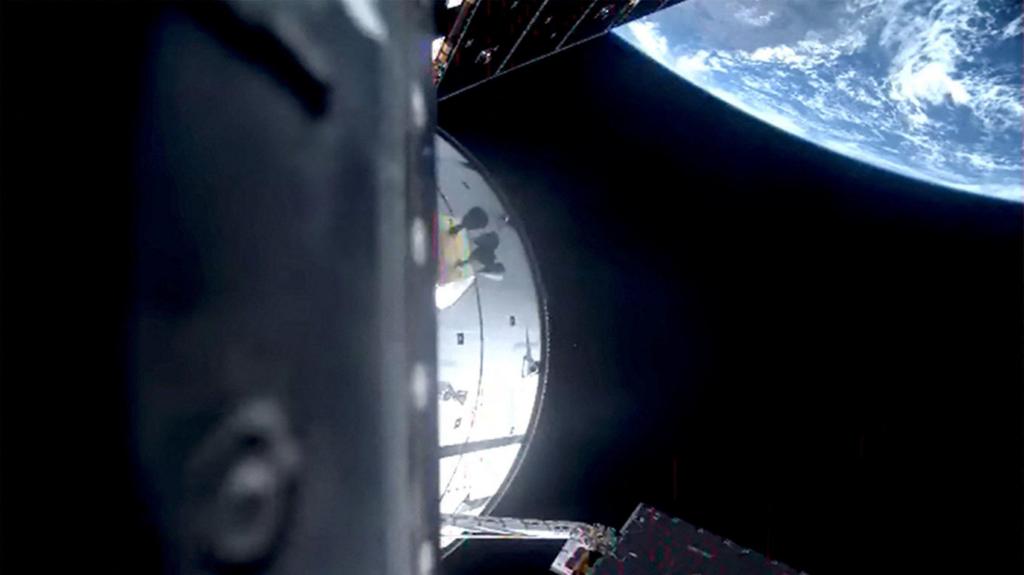

NASA actively pushes the boundaries of human space exploration with Artemis II, the first crewed mission to fly around the Moon in over 50 years.
Moreover, this landmark flight captivates millions searching for “Artemis II mission updates,” “Artemis II launch 2026,” and “when will humans return to the Moon.”
Thus, the mission marks a bold step toward sustainable lunar presence and future Mars voyages.
What Is the Artemis II Mission?
Artemis II sends four astronauts on a daring 10-day journey aboard the Orion spacecraft named Integrity.
Furthermore, the crew includes NASA astronauts Commander Reid Wiseman, Pilot Victor Glover, and Mission Specialist Christina Koch, along with Canadian Space Agency astronaut Jeremy Hansen. They launched successfully on April 1, 2026, atop the powerful Space Launch System (SLS) rocket from Kennedy Space Center in Florida.
Additionally, the mission tests critical systems in deep space without landing on the lunar surface. Instead, the crew performs a free-return trajectory, flying past the Moon’s far side before splashing down off San Diego. As a result, engineers gather vital data on Orion’s life support, navigation, and heat shield performance for future crewed landings.
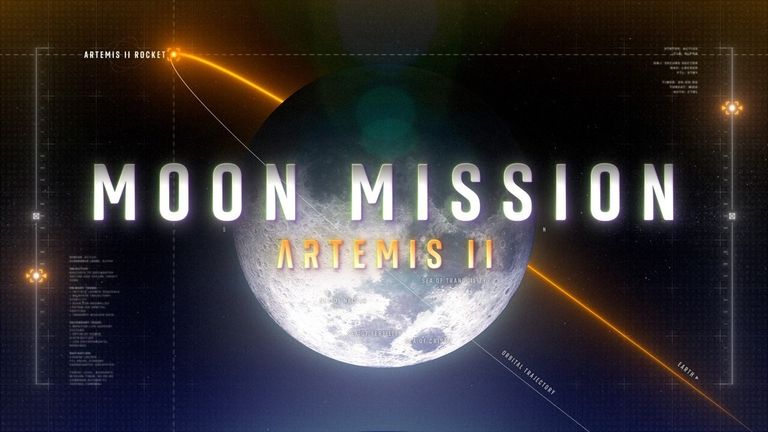
Key Milestones and Historic Moments
Astronauts actively broke records during the flight. On April 6, 2026, the crew traveled farther from Earth than any humans since Apollo 13 in 1970. Moreover, they conducted lunar observations, captured stunning views of the Moon’s far side, and experienced a brief communications blackout while passing behind the Moon. Consequently, these moments generate massive public excitement and trending searches across Google, Yahoo, and Bing.
Furthermore, President Trump congratulated the crew after their closest lunar approach, highlighting the mission’s international and inspirational value. The diverse crew also inspires a new generation by showcasing teamwork between NASA and international partners.
Why Artemis II Matters for the Future of Space Exploration
This mission actively lays the foundation for Artemis III, which will land astronauts on the lunar surface, and eventual human missions to Mars. Additionally, successful testing of the SLS and Orion systems builds confidence for long-duration deep-space travel. As a result, NASA accelerates its goal of establishing a sustainable presence on the Moon by the late 2020s.
Moreover, the program emphasizes diversity, innovation, and collaboration. Christina Koch previously set the record for longest single spaceflight by a woman, while Victor Glover became the first Black astronaut on a lunar mission. Consequently, Artemis II delivers both scientific progress and powerful representation.
What Happens Next?
Engineers now analyze real-time data from the flight. Furthermore, the crew prepares for re-entry and splashdown scheduled around April 10–11, 2026. Meanwhile, NASA continues public engagement through live streams and educational content, allowing millions to follow every step.
In conclusion, Artemis II successfully reignites humanity’s lunar ambitions and proves that bold exploration remains possible. Moreover, this mission inspires awe while delivering essential lessons for the next era of spaceflight. As the crew completes their historic journey, the world watches eagerly for the next giant leap.
Also Read: How Agentic AI Is Transforming Workflows