
Bellingham Escapes Red Card Drama: Should Covering His Mouth Have Ended His World Cup Night Against Ghana?
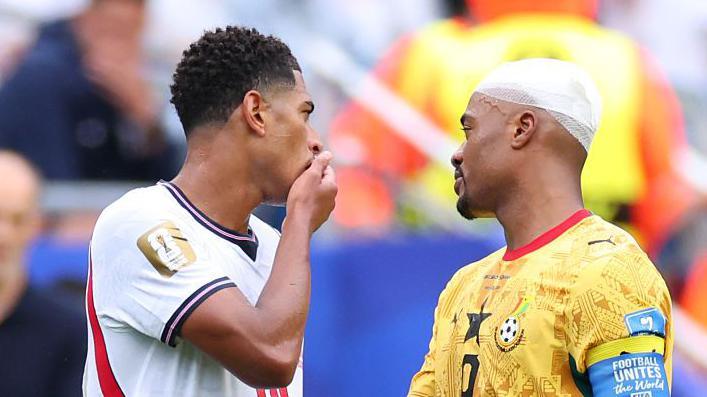
Jude Bellingham has navigated intense scrutiny once more on the global stage. During England’s goalless draw with Ghana at the 2026 FIFA World Cup, the midfielder covered his mouth while conversing with Jordan Ayew.
This gesture sparked immediate debate about potential dismissal under new rules. Fans and pundits actively question refereeing consistency, wondering if double standards plague the tournament.
Bellingham, however, continued playing without punishment, fuelling discussions on fairness and interpretation.
The Bellingham Incident Unfolds Amid Tension
England dominated possession yet failed to break Ghana’s stubborn defence in Boston. As the match wound down, Bellingham engaged Ayew in what appeared to be a calm exchange.
He instinctively covered his mouth, a habit many players adopt to shield communications. Transitioning quickly, VAR reviews the moment but clears him of any offense. Thus, no red card emerged, allowing Bellingham to influence proceedings until the final whistle.
Moreover, this episode highlights evolving FIFA protocols. Officials introduced stricter measures against mouth-covering to curb hidden insults or dissent. Nevertheless, context remains paramount.
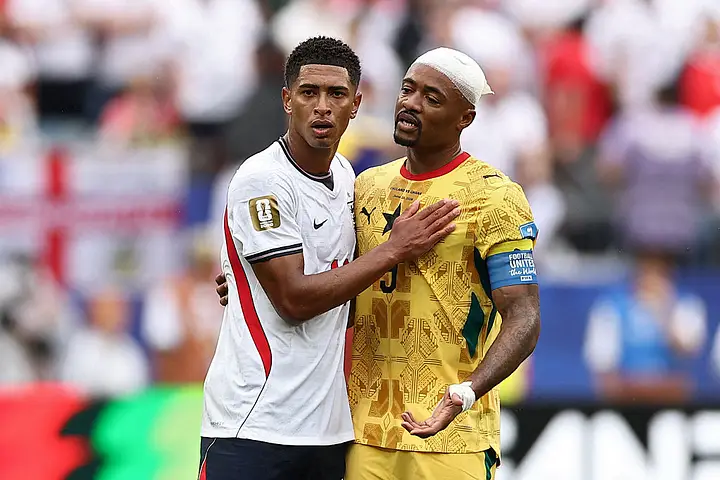
Referees assess aggression levels, and here, sources confirm no confrontation occurred between the pair.
Bellingham simply chats casually, avoiding the threshold for severe sanctions that apply during heated melees.
Decoding the New Mouth-Covering Rule
FIFA implemented this regulation to promote transparency and respect. Players risk expulsion when they deliberately conceal lips during confrontational talks, especially post-challenge or in group scuffles.
Bellingham’s action, by contrast, lacks malice or escalation. Experts explain that Pierluigi Collina’s pre-tournament guidelines emphasise situational judgment over blanket enforcement.
Furthermore, similar incidents show inconsistencies. In other matches, players face punishment amid pushing and shoving, whereas Bellingham’s relaxed dialogue escapes penalty.
This disparity actively raises eyebrows, as critics argue selective application undermines credibility.
Supporters counter that officials correctly prioritise intent and atmosphere, preventing unnecessary disruptions in fluid games.
Read More: Will Vinicius Junior Win Golden Ball at 2026 FIFA World Cup?
Double Standards or Prudent Judgment?
Detractors loudly claim bias favours star players like Bellingham. They point to past controversies where lesser-known athletes receive harsher treatment for minor gestures.
Transitioning to broader implications, such perceptions erode trust in officiating and amplify fan frustration during high-stakes World Cup fixtures. Ghana fans, celebrating the hard-earned point, even amplify the narrative online.
Yet insightful analysis reveals nuance. Referees train to evaluate full context, including body language and surrounding events. Bellingham maintains composure without aggression, distinguishing his case from genuine dissent.
Additionally, England’s overall frustration with Ghana’s defensive setup adds layers, but officials avoid compounding tensions with a dubious sending-off. This decision ultimately preserves match integrity while inviting necessary debate on rule clarity.
Bellingham Leadership and England’s Campaign
Bellingham thrived as England’s midfield engine, driving transitions and inspiring teammates despite the stalemate.
He actively shoulders creative burdens, showcasing maturity that defines his rise. Moreover, avoiding suspension proves vital as the Three Lions target knockout progression and deeper ambitions.
Critics, however, warn that habitual mouth-covering invites future risks. Teams might exploit the rule by provoking incidents, forcing referees into tough calls. Bellingham and England must adapt, communicating openly to eliminate ambiguity.
This evolution not only strengthens individual discipline but also elevates the sport’s professionalism.
Broader Lessons for Fairness at the World Cup
Looking forward, FIFA faces pressure to refine guidelines and ensure uniform enforcement. Clearer protocols, combined with enhanced VAR communication, could minimise controversies.
Nevertheless, human judgment stays central, balancing rule adherence with game flow. Bellingham’s escape serves as a case study, highlighting how context prevents over-punishment while exposing areas for improvement.
Ultimately, the incident transcends one player’s gesture. It actively probes the delicate equilibrium between regulation and realism in elite football. Fans worldwide watch closely, demanding consistency as the tournament intensifies.
In conclusion, Bellingham should not have been sent off, given the non-confrontational nature of his exchange.
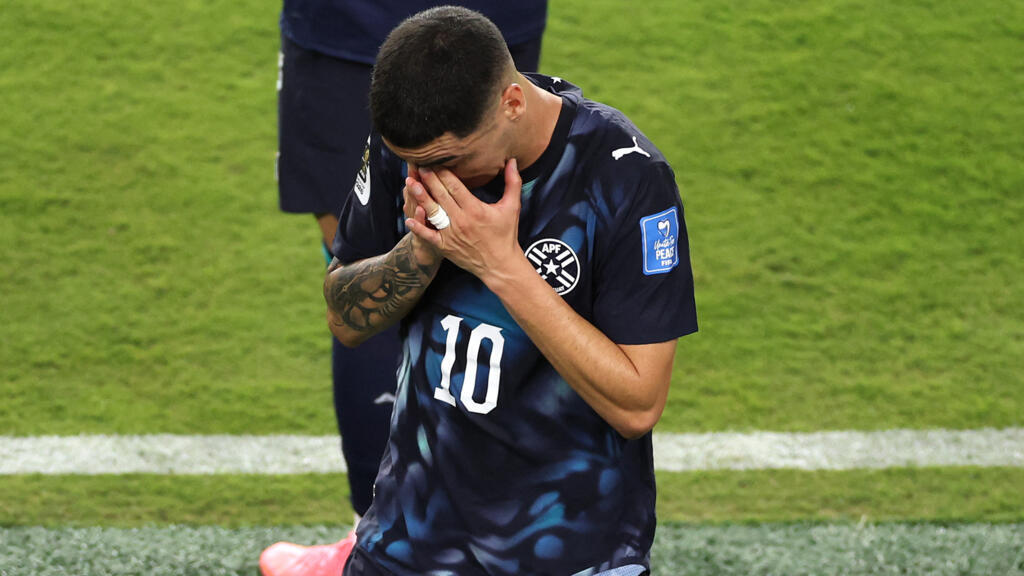
While double standards debates persist after Paraguay’s Miguel Almiron’s red card, officials applied sensible discretion here.
As England advances, this moment reinforces the need for evolving standards that protect fairness without stifling the beautiful game’s passion.
Bellingham continues leading with flair, turning potential pitfalls into opportunities for growth on football’s grandest platform.