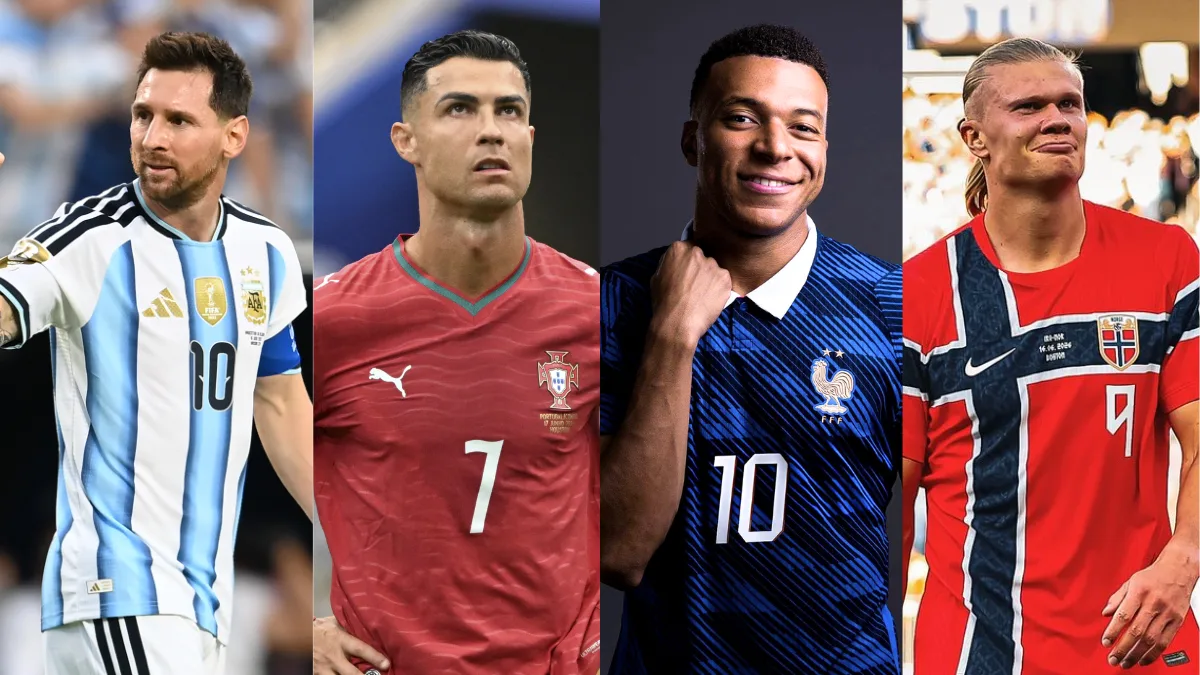

The 2026 FIFA World Cup has burst into life with thrilling group stage action, delivering surprises and dominant performances across the pitches of North America which begs the question; World Cup Best Teams 2026?
As teams battle for knockout spots, several powerhouses stand out. This early assessment of World Cup Best Teams 2026 reveals shifting dynamics, tactical brilliance, and star power shaping the tournament.
World Cup Best Teams 2026: Dominant Group Performers Ignite the Competition
Mexico, as co-hosts, have stormed through Group A with three straight victories, showcasing ruthless efficiency.
They dismantled opponents with clinical finishing and rock-solid defense, accumulating maximum points.
Moreover, this perfect record boosts their confidence heading into the round of 32, where home advantage could prove decisive.
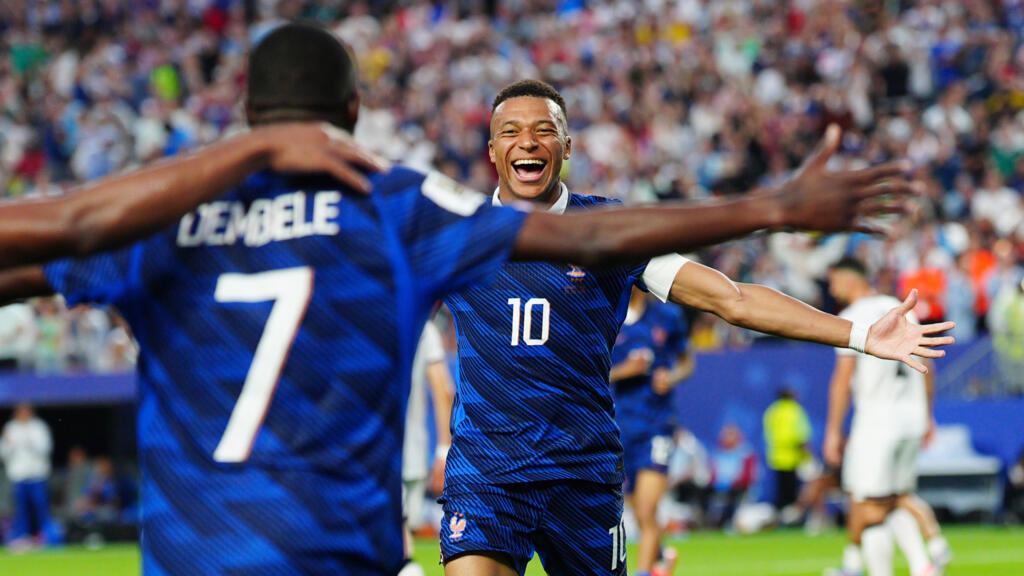
Meanwhile, France have impressed observers profoundly. Kylian Mbappé has lit up the stage with multiple braces, propelling Les Bleus to the top of their group.
Their blend of attacking flair and defensive solidity makes them early favourites. Additionally, players like Ousmane Dembélé add layers of creativity, allowing France to overwhelm teams through pace and precision.
Traditional Giants Flex Their Muscles
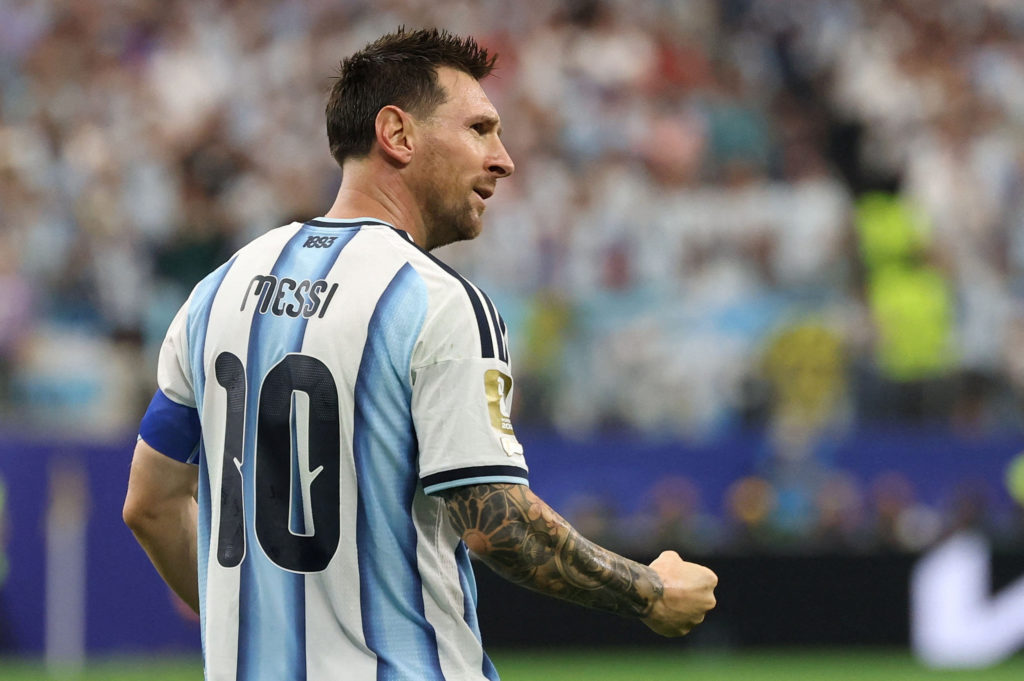
Argentina, led by the timeless Lionel Messi, continue to deliver masterclasses. They top their group comfortably, blending experience with youthful energy. Messi’s vision orchestrates attacks seamlessly, while the squad’s resilience shines in tight moments. Thus, the defending champions look poised for another deep run.
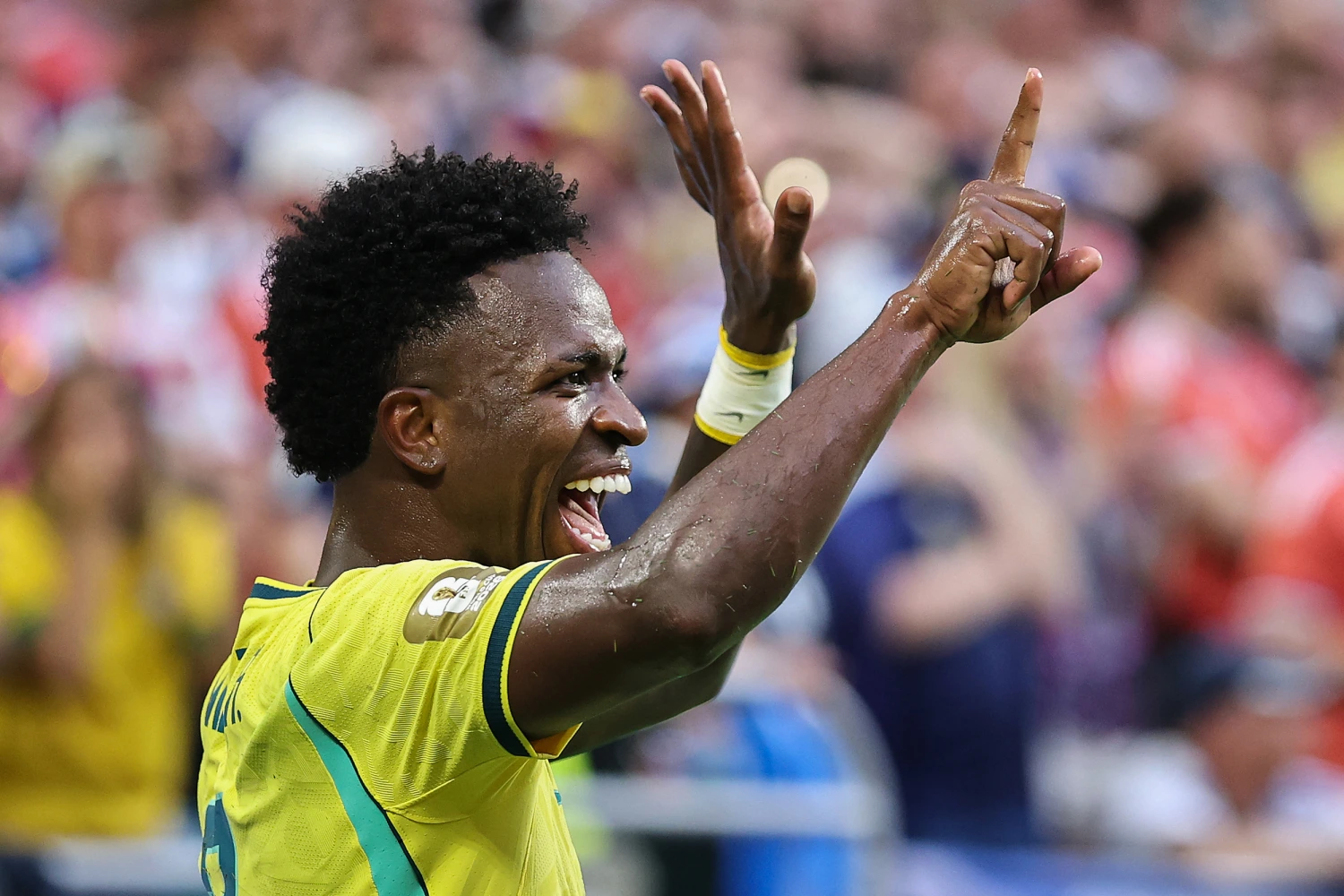
Germany and Spain likewise assert authority. Germany racked up goals in dominant wins, though their schedule raises recovery concerns. Spain, on the other hand, controls matches through possession and intricate passing, evolving into a more clinical unit. These teams demonstrate why consistent excellence defines elite football nations.
Emerging Contenders and Tactical Insights
Switzerland and Morocco have punched above expectations, securing advancement with disciplined displays.
Switzerland edged Canada in a tense clash, while Morocco’s counter-attacking prowess troubles bigger sides.
Thus, these underdogs inject unpredictability, forcing favorites to adapt mid-tournament.
Moreover, the expanded 48-team format creates intense competition. Third-placed teams still vie for best-ranked spots, keeping groups alive longer.
This structure rewards not just talent but also smart rotation and recovery strategies, especially with the demanding calendar.
Key Factors Shaping the Knockout Stage
Injuries and fatigue emerge as critical variables. Teams like France manage squad depth effectively, rotating stars without losing intensity. However, sides relying heavily on individuals face greater risks. Additionally, home crowds energize Mexico and the United States, potentially tilting close encounters.
Tactically, high-pressing systems clash with patient build-up play. France and Argentina excel in transitions, exploiting spaces left by disorganized defenses.
Meanwhile, European teams emphasize midfield control, dictating tempo and wearing down rivals. These contrasts promise exciting knockout matches ahead.
World Cup Best Teams 2026: Outlook for the Tournament
As the round of 32 approaches, World Cup Best Teams 2026 highlight a blend of established powers and spirited challengers.
France currently lead betting markets with their scintillating form, yet Argentina’s champion pedigree and Brazil’s attacking talent keep the title race wide open.
Furthermore, surprises like South Africa’s advancement remind fans that momentum and unity often trump rankings.
Ultimately, this World Cup celebrates football’s global appeal. Teams evolve rapidly, adapting to opponents and conditions. Fans eagerly await whether a new champion emerges or familiar giants reclaim glory.
With knockout battles looming, the best is yet to come in this unforgettable tournament.