
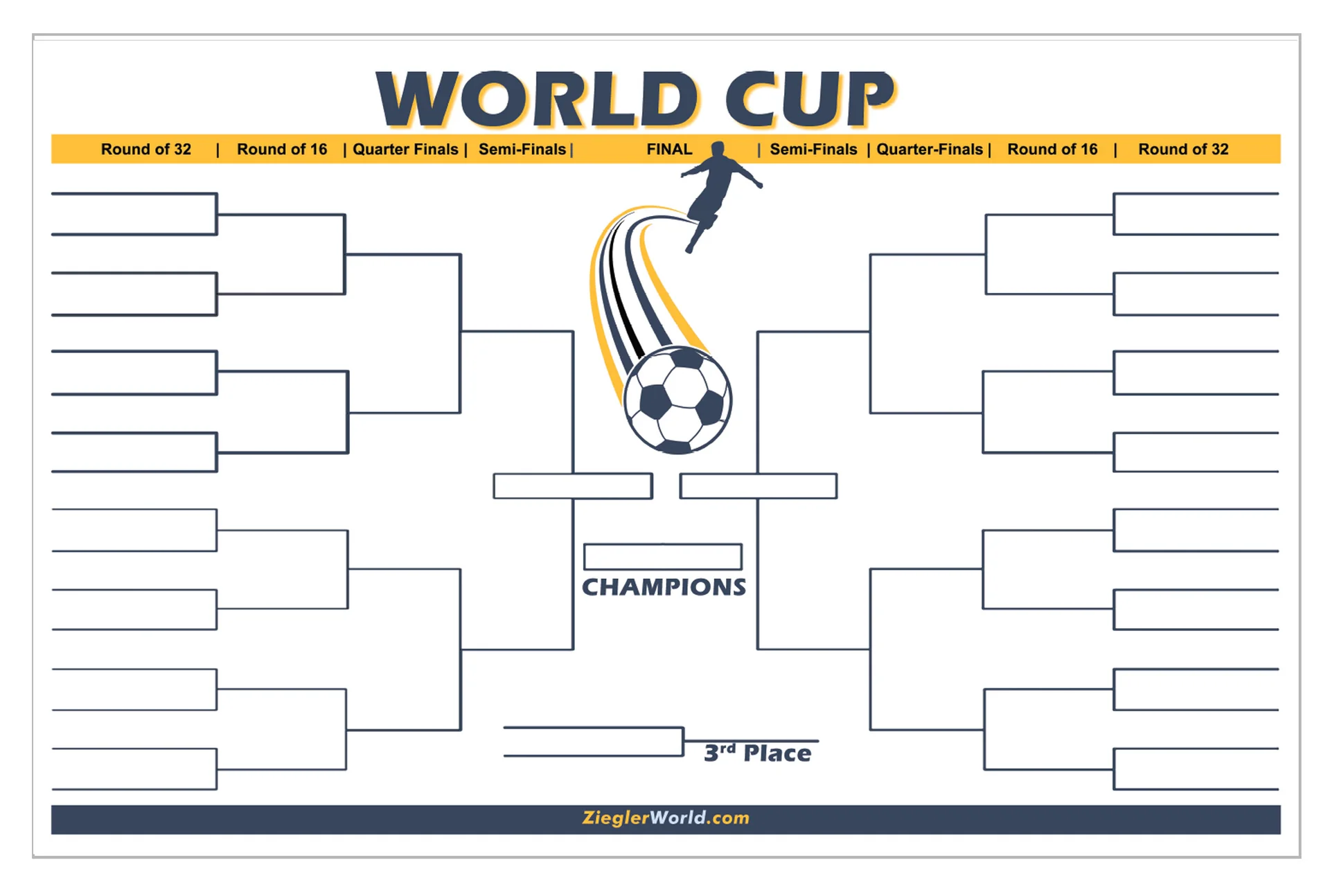
The World Cup Bracket stands as the ultimate roadmap that transforms group stage battles into knockout drama.
As teams advance from the expanded 48-team format in the 2026 FIFA World Cup, every fixture carries immense weight.
Thus, fans and analysts alike scrutinise the FIFA World Cup Bracket to predict outcomes and identify potential Cinderella runs.
Moreover, understanding current FIFA standings reveals how squads position themselves for success.
Decoding the World Cup Round of 32 Bracket
Transitioning from group stages to the world cup round of 32 bracket, the structure rewards consistency while punishing complacency.
Teams that topped their groups secure theoretically easier paths initially.
However, the bracket’s design ensures that strong performers from other pools quickly collide.
For instance, winners from certain groups face runners-up from others, creating immediate tests of depth and adaptability.
Furthermore, this setup amplifies the importance of world cup fixtures in the early knockout phase.
Analysts actively track how results in one section influence others. Consequently, a favourable FIFA bracket 2026 placement can propel underdogs forward, whereas tough draws challenge even the world cup best teams 2026.
Players and coaches, therefore, emphasise recovery and tactical adjustments as they eye progression.
Analyzing Key FIFA Standings and Group Dynamics
Diving deeper, FIFA World Cup 2026 group D qualifiers table highlights the United States’ strong showing. The co-hosts topped Group D with six points, showcasing offensive firepower and home advantage.
Australia followed in second, while Paraguay and Türkiye battled for advancement spots. Similarly, Group E standings feature powerhouses like Germany securing top honors, with competitive races involving Ivory Coast and Ecuador.
Meanwhile, Group F standings show the Netherlands’ dominance alongside solid performances from Japan and others.
These FIFA standings not only determine seeding but also shape the FIFA World Cup Bracket. Teams emerging from balanced groups often carry momentum into knockouts.
Moreover, reviewing the FIFA World Cup 2026 qualifiers table provides context on how squads built their form leading into the tournament. As a result, surprises emerge when lower-seeded sides exploit fatigue or overconfidence in opponents.
Strategic Insights into FIFA Bracket 2026
Coaches now pore over the FIFA bracket to prepare for specific opponents. Active rotations during the group stage preserve energy for the demanding knockout schedule.
Furthermore, home crowds in North America energize advancing teams, turning venues into fortresses.
Nevertheless, tactical flexibility remains crucial. Teams that adapt quickly to varying styles thrive as the bracket intensifies.
Additionally, data from world cup fixtures reveals patterns in scoring and defensive solidity. Top contenders balance attacking flair with disciplined defending, which proves decisive in single-elimination scenarios.
Thus, the world cup best teams 2026 distinguish themselves through squad depth and mental resilience under pressure.
Potential Upsets and Contender Paths
Moving forward, several dark horses lurk within the FIFA World Cup brackets. Nations with dynamic young talents challenge established favorites, injecting excitement into every round.
Moreover, historical trends show that momentum from group wins often translates into knockout success, yet one slip can end a campaign abruptly.
As teams advance, the bracket’s interconnected nature means results ripple across sections, rewarding those who study opponents thoroughly.
Messi vs Ronaldo: Who Stands a Chance of Winning the World Cup Based on the Bracket?
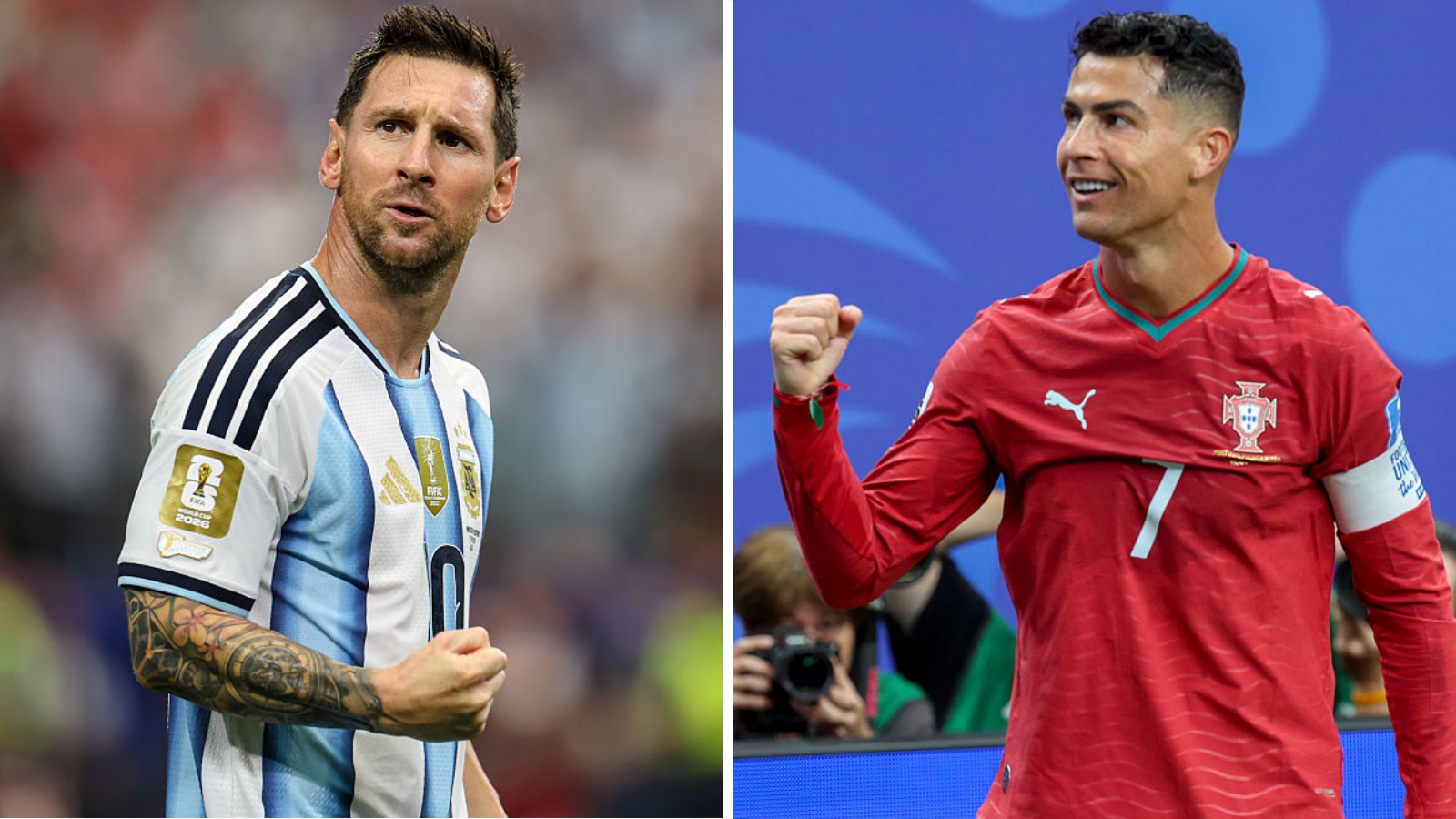
Finally, the eternal debate reignites in this World Cup Bracket. Lionel Messi, captaining Argentina, dazzles with vision and clinical finishing, propelling his side through tough groups.
Meanwhile, Cristiano Ronaldo, leading Portugal at age 41, continues breaking records with his scoring prowess and leadership.
Their paths in the FIFA bracket 2026 could intersect in later stages, setting up a dream clash.
Messi benefits from Argentina’s balanced squad and defending champion pedigree, giving him a slight edge in consistency.
However, Ronaldo’s unmatched drive and Portugal’s attacking depth make them dangerous contenders.
Ultimately, the bracket favors the team that avoids early fatigue and masters transitional play.
While both legends chase glory in what may be their final tournament, Messi’s current form and tactical support position Argentina favorably to go further.
Still, football’s unpredictability means either icon could etch their name in history once more