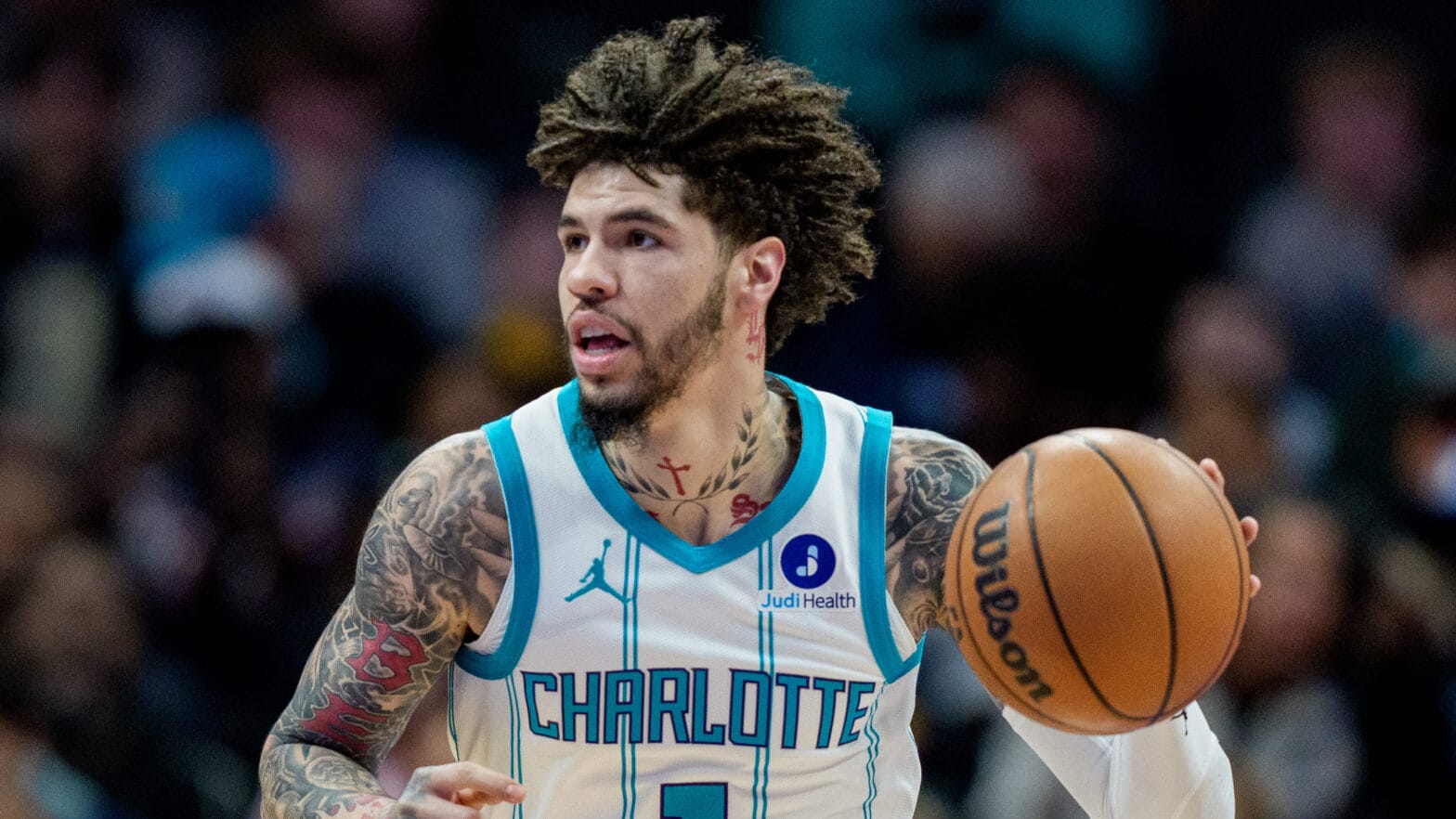

The Minnesota Timberwolves made a bold statement on June 25, 2026, by acquiring superstar guard LaMelo Ball from the Charlotte Hornets.
This high-stakes Lamelo Ball trade immediately transforms the Minnesota Timberwolves roster and ignites excitement around the franchise’s championship aspirations.
Fans everywhere are asking, did Lamelo Ball get traded? The answer is a resounding yes, and the implications ripple across both teams.
The Details of the LaMelo Ball Trade
In this blockbuster NBA trade, the Hornets sent LaMelo Ball and Josh Green to Minnesota. In return, the Charlotte Hornets roster gained versatile big man Naz Reid, a 2033 unprotected first-round pick, multiple first-round pick swaps (2028-2030), and several second-rounders.
The Timberwolves trade addresses Minnesota’s urgent need for a dynamic point guard while the Hornets pivot toward a youthful rebuild.
Lamelo, the flashy 25-year-old All-Star, arrives after a solid 2025-26 season where he posted 20.1 points, 4.8 rebounds, and 7.1 assists per game across 72 contests.
His playmaking vision and scoring burst perfectly complement the explosive Anthony Edwards. Meanwhile, Josh Green NBA adds defensive versatility and athleticism to the Wolves roster.
On the flip side, Naz Reid trade sends a beloved, efficient scorer and rebounder to Charlotte, where he bolsters their frontcourt immediately.
Transforming the Minnesota Timberwolves Roster
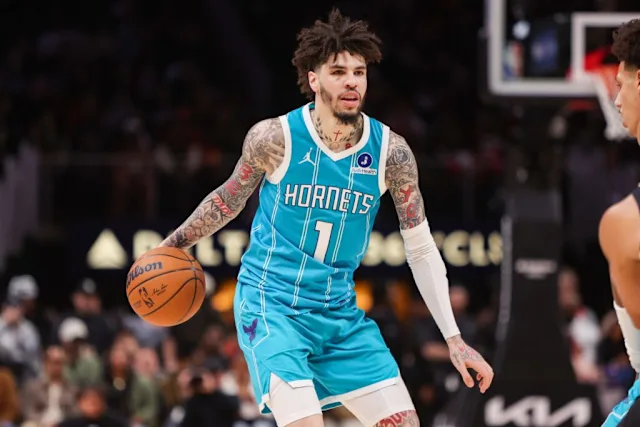
Minnesota’s front office acted decisively because the Minnesota Timberwolves needed a true floor general. Previously, injuries and inconsistencies plagued their backcourt. Now, with Lamelo Ball Timberwolves, the team pairs two high-usage creators in Ball and Edwards. This duo promises to overwhelm defenses through pick-and-roll actions, transition speed, and off-ball movement.
Moreover, the Timberwolves roster retains defensive anchors like Rudy Gobert and Jaden McDaniels. Adding Josh Green further strengthens perimeter defense. Yet, losing Naz Reid creates a hole in bench scoring and frontcourt depth.
Minnesota must find ways to replace his production, perhaps by leaning more on emerging talents or free-agent additions.
Nevertheless, the offensive upside feels electric. Melo Ball thrives in up-tempo systems, and Edwards will benefit from easier scoring opportunities as defenses scramble to contain Ball’s passing.
Impact of LaMelo Ball on the Upcoming Season and Championship Hopes
This Lamelo Ball Timberwolves partnership elevates Minnesota’s contention window. Edwards, already an MVP-caliber talent, gains a co-star who elevates teammates.
Thus, the MN Timberwolves project as a top Western Conference threat. Their ability to space the floor, attack the rim, and generate assists improves dramatically. Fans anticipate highlight-reel plays nightly from this backcourt.
However, risks remain. Ball’s injury history demands careful load management. Furthermore, the Timberwolves surrendered significant future draft capital, limiting flexibility if injuries strike. Still, when healthy, this group possesses championship DNA. They now boast star power, defensive grit, and offensive creativity—key ingredients for deep playoff runs.
Hornets’ Rebuild Strategy
Meanwhile, the Charlotte Hornets embrace a full reset. They offload Ball’s max contract and acquire assets for the future. Naz Reid provides veteran stability alongside young pieces like Brandon Miller.
The incoming draft picks and swaps offer long-term upside. Although losing a franchise face hurts short-term, this Lamelo trade positions the Hornets roster for sustained growth without immediate pressure.
A Game-Changing Move for the Wolves?
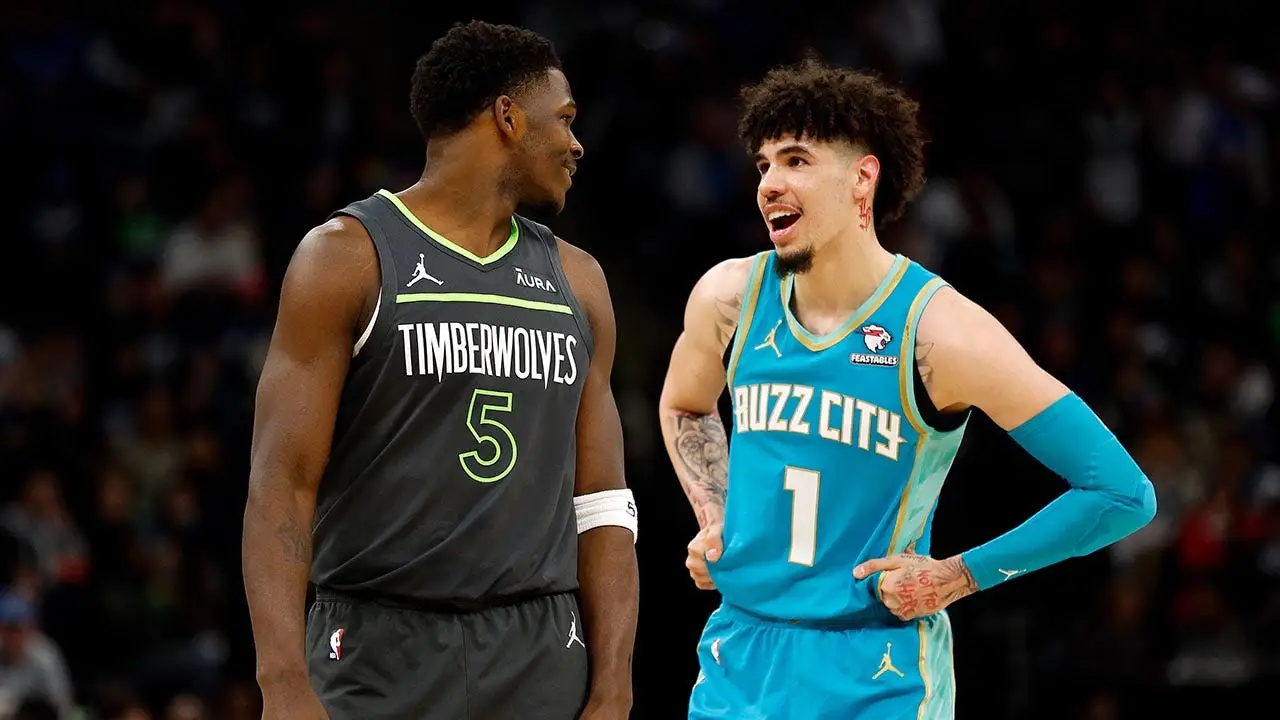
Ultimately, the Lamelo Ball trade injects fresh energy into the Minnesota Timberwolves. As Anthony Edwards and Lamelo develop chemistry, the team could surge toward its first NBA title.
Supporters of the Wolves roster now dream bigger than ever. While questions linger about health and depth, the potential rewards justify the gamble.
This NBA trade not only reshapes both franchises but also promises thrilling basketball ahead