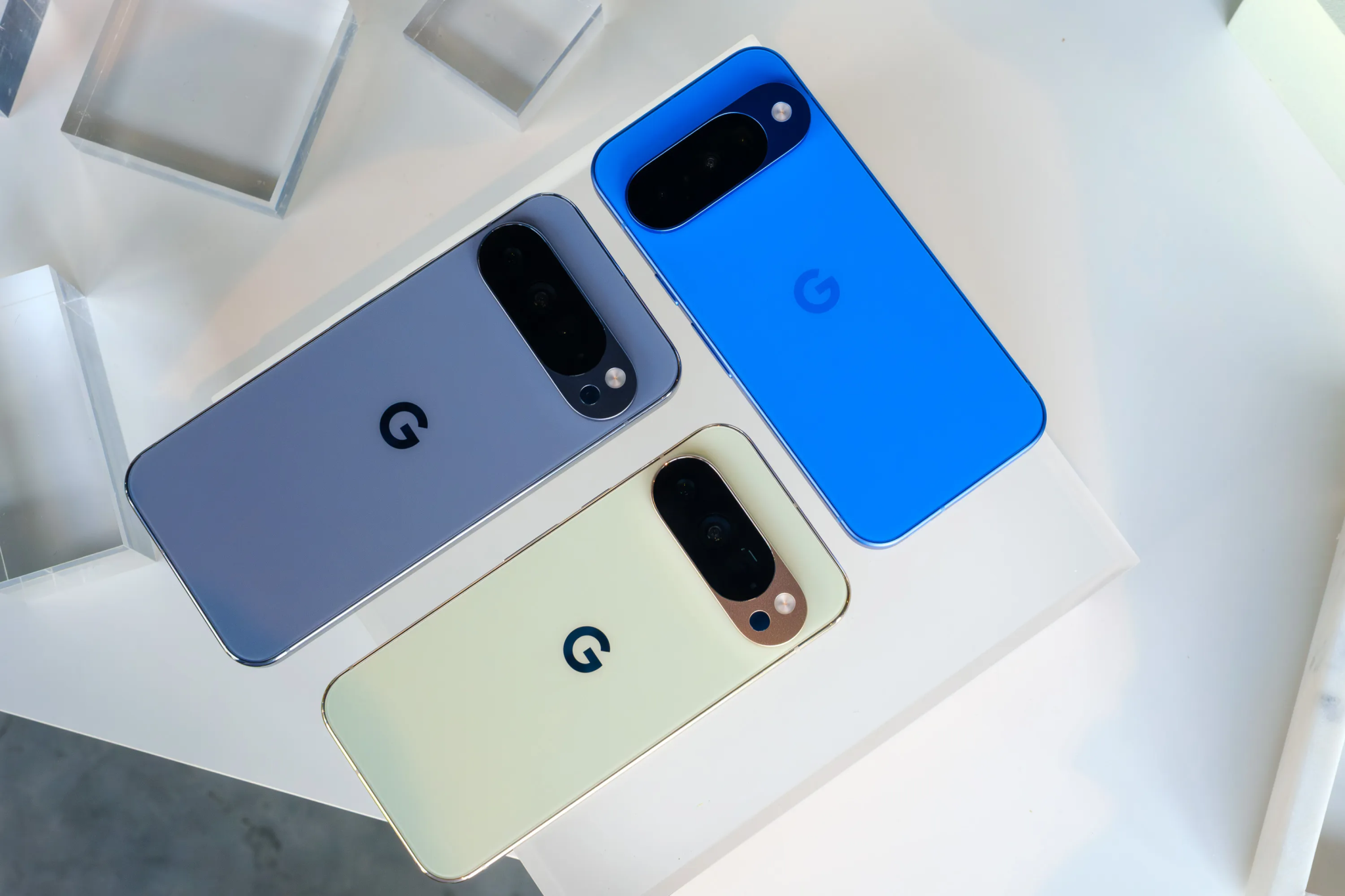

Google Pixel 10 phones are out in full force, making a bold statement in the smartphone market with their AI-driven excellence.
Launched on August 20, 2025, these devices redefine what users expect from smartphones. The devices blend cutting-edge hardware with proactive intelligence.
Moreover, Google actively positions the Pixel 10 series as a direct competitor to industry giants. It emphasises seamless integration and user-centric features.
As consumers seek smarter, more efficient gadgets, the Google Pixel 10 phones stand out, as they have prioritised AI enhancements that anticipate needs rather than merely respond to them.
This article explores the details of the new series, stacks it up against competitors, and evaluates its wider impact.
Unveiling the Google Pixel 10 Series
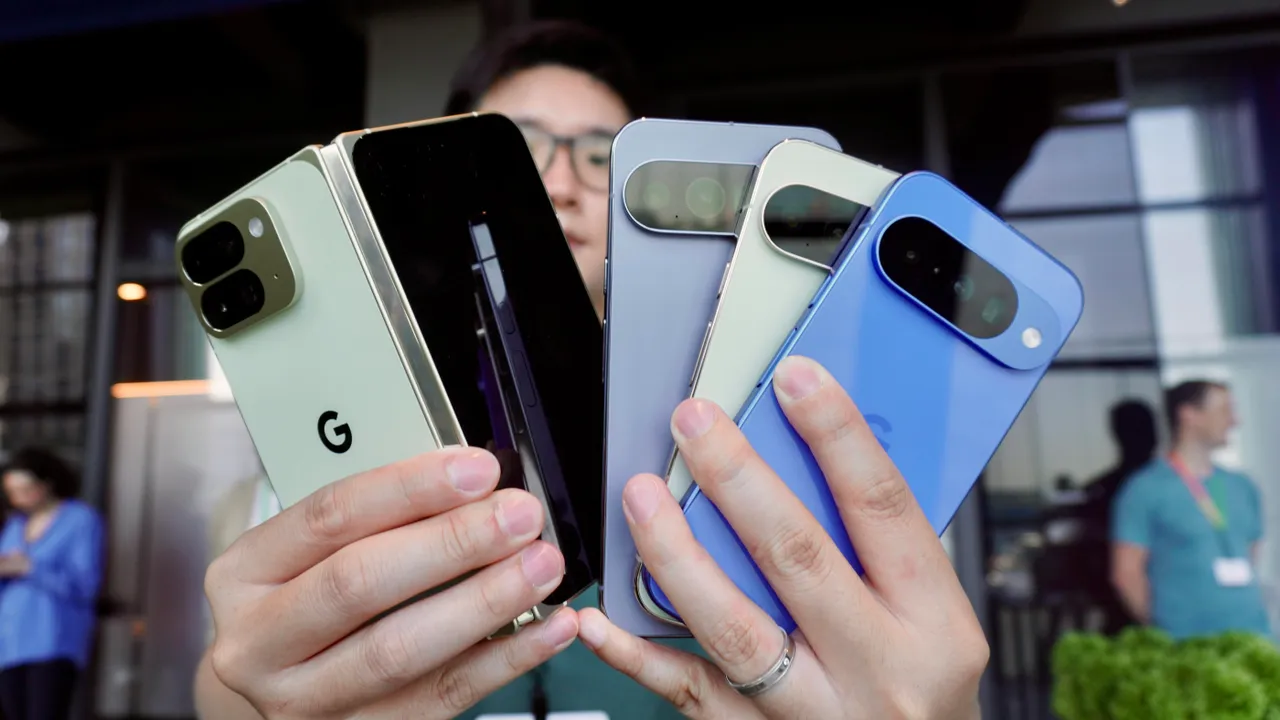
The Pixel 10 Series comes in four models. They are the standard Pixel 10, Pixel 10 Pro, Pixel 10 Pro XL, and Pixel 10 Pro Fold.
Each device harnesses the power of the new Tensor G5 chip. The chip was crafted at Taiwan Semiconductor Manufacturing Company (TSMC) on the 3nm process for superior efficiency and performance.
For example, the entry-level Pixel 10, priced at $799, boasts a 6.3-inch Actua screen with a 120 Hz refresh rate. The device is also fortified with Corning Gorilla Glass Victus 2 for enhanced durability.
In addition, it features 12GB of RAM and offers storage options starting at 128GB. The phone is available in colours like Obsidian, Indigo, Frost, and Lemongrass.
Price
Transitioning to the premium tiers, the Pixel 10 Pro and Pro XL are priced at $999. The Pixel 10 Pro features a 6.3-inch display, 16GB RAM, and enhanced camera capabilities.
On the other hand, the Pro XL features a larger 6.8-inch screen and 256GB base storage.
Furthermore, the innovative Pixel 10 Pro Fold, priced at $1,799, introduces a gearless hinge and IP68 resistance. This makes it a robust foldable option with a 6.4-inch outer display.
Preorders began immediately after the announcement, with the first three models shipping on August 28, 2025, and the Fold following on October 9.
Google is ensuring widespread availability through its store and partners. This appeals to a global audience eager for these upgrades.

Key Features and Innovations Driving the Google Pixel 10 Phones
The Google Pixel 10 phones revolutionise user experiences through groundbreaking AI integrations. Powered by Gemini Nano, features like Magic Cue proactively surface relevant information across applications.
This includes pulling flight details into Messages without manual input. Additionally, real-time Voice Translate mimics the user’s voice in translations during calls. This enhances communication in multilingual scenarios.
On the camera front, the series has made significant upgrades. The base model now includes a triple setup with a 48MP main sensor, a 13MP ultrawide, and a 10.8MP telephoto for 5x optical zoom.
Pro models elevate this functionality with 50MP main and 48MP ultrawide/telephoto lenses, plus AI-driven Pro Res Zoom up to 100x.
Moreover, Camera Coach guides users for optimal shots. This enhances Google Photos editing using natural language prompts for effortless modifications.
When it comes to mobile phone usage, battery life is an important feature everyone considers. Larger capacities like 5,200 mAh feature strongly in the Pro XL, promising over 30 hours of use.
Qi2 wireless charging adds magnets for 15-25W speeds, compatible with Pixelsnap accessories—Google’s magnetic ecosystem rivalling MagSafe.
However, sentiments on X (formerly Twitter) highlight excitement over the design but critique potential camera lag in portraits.
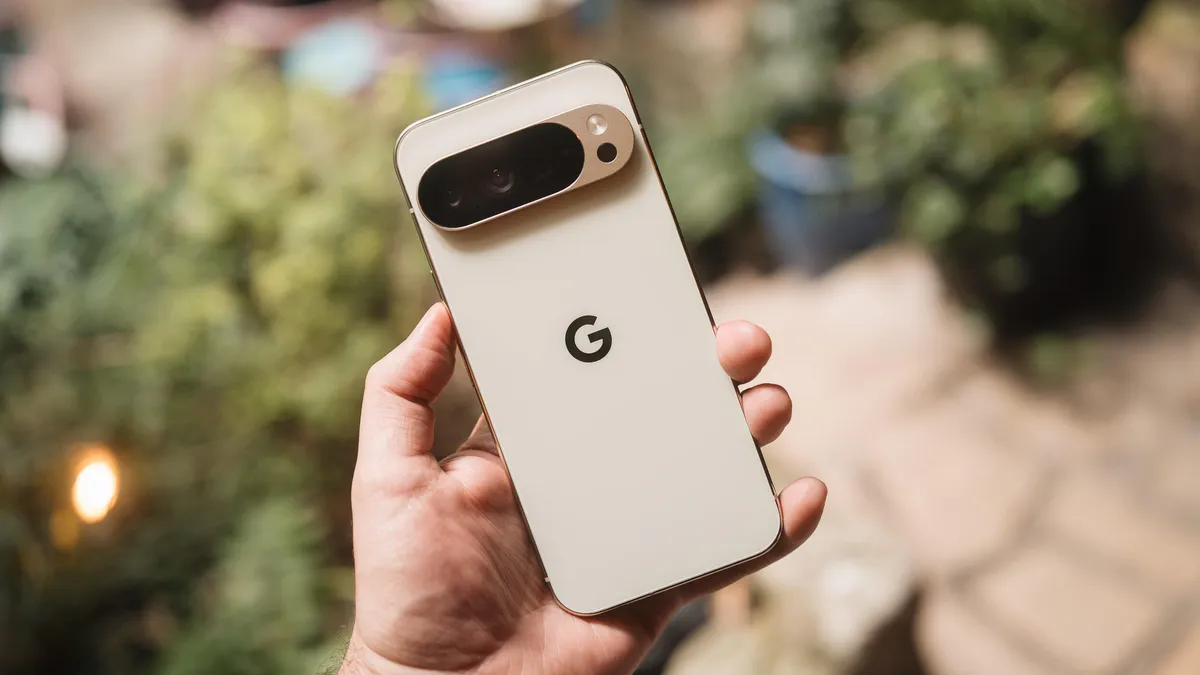
Comparison with Latest iPhones and Samsung Devices: Where Pixel 10 Phones Excel
When comparing the Google Pixel 10 lineup to the iPhone 16 series and Samsung Galaxy S25, unique strengths come to light.
For example, the Pixel 10 Pro offers a higher-resolution 2880×1200 display compared to the iPhone 16 Pro’s 2622×1206, delivering sharper visuals.
In addition, Pixel’s 5x optical zoom surpasses the iPhone 16’s 3x, and its AI features like Magic Cue outpace Apple’s delayed Siri enhancements, which Google cheekily called “broken promises” during the launch.
However, the iPhone 16 edges out in ecosystem integration and raw battery endurance, often topping charts.
Turning to Samsung, the Galaxy S25 kicks off at a more affordable $799 but falls short of the Pixel 10’s sophisticated AI capabilities, leaning heavily on Snapdragon’s processing power.
Nevertheless, Samsung offers more colour options and potentially faster processing. Pixel’s camera software yields superior low-light results, as side-by-side tests show brighter, detailed shots.
Overall, Google Pixel 10 phones shine in AI innovation and photography. With this, it challenges Samsung’s hardware prowess and Apple’s seamless software.
Impact on Google’s Stock in 2025 and Beyond: A Strategic Boost
The debut of the Google Pixel 10 series significantly enhances the stock momentum of Alphabet, Google’s parent company.
Shares rose 1.08% post-event, reflecting investor optimism in Gemini AI’s competitive edge against OpenAI and Apple.
Furthermore, by embedding AI into three (3) billion Android devices, Google expands its ecosystem. This potentially increases ad revenue and services adoption.
Analysts predict sustained growth, with Pixel’s market share climbing from 3% in the U.S., driving hardware sales and AI subscriptions.
Looking ahead, the phone series positions Google for long-term gains beyond 2025, as AI becomes central to consumer tech.
However, challenges such as market saturation could reduce the positive impacts, while proactive features may enhance recurring revenue streams.
Conclusion: Why Google Pixel 10 Phones Set the Bar High
In summary, Google Pixel 10 phones actively transform the smartphone landscape with AI at the forefront. This outpaces rivals in innovation while promising stock uplift.
As technology evolves, these devices invite users to embrace a more intuitive future.
Whether upgrading for superior cameras or AI smarts, the series delivers value that resonates deeply.