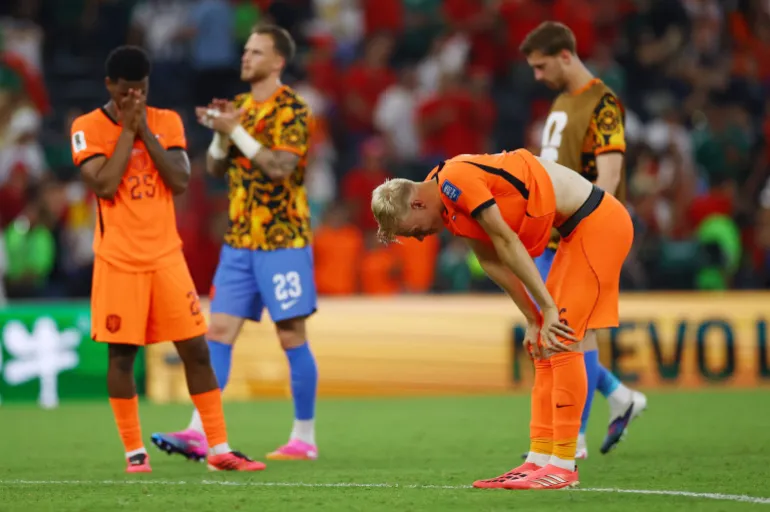

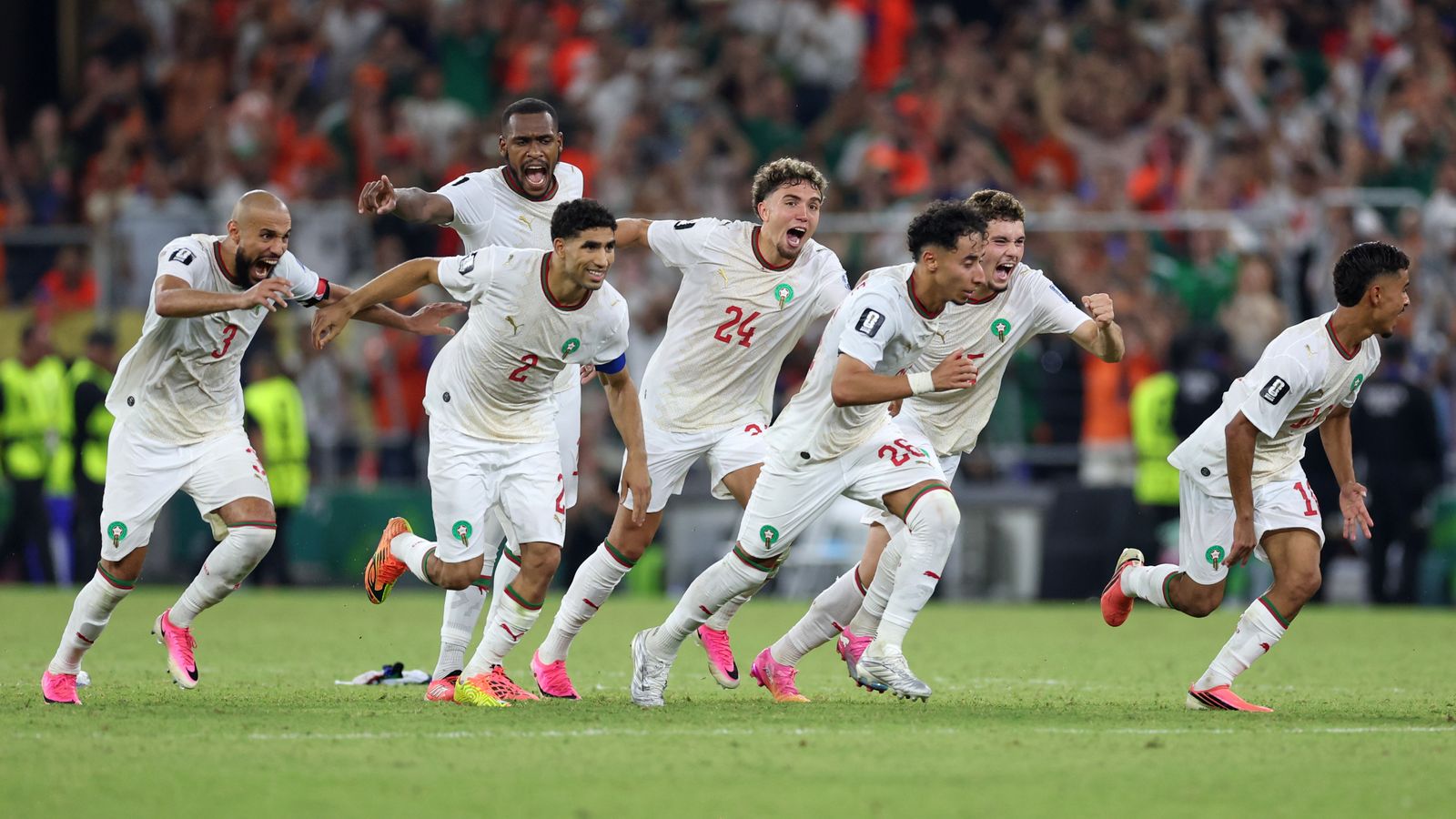
The dramatic Morocco vs Netherlands clash at the 2026 FIFA World Cup delivered a stunning upset. Morocco advanced on penalties after a tense battle, sending the Dutch packing.
This result, combined with Germany’s shock Round of 32 exit to Paraguay, fuels intense speculation.
Observers actively question whether European dominance in FIFA World Cup 2026 is finally waning.
Meanwhile, South American and African teams impress with bold performances that challenge long-standing hierarchies.
The Morocco vs Netherlands Turning Point
Morocco displayed remarkable resilience and tactical discipline against a favoured Netherlands side.
Thus, they triumphed in the shootout, highlighting growing African competitiveness. Furthermore, this victory mirrors broader trends where emerging nations disrupt expectations. Transitioning from group stage promise to knockout glory, Morocco capitalised on Dutch vulnerabilities.
Additionally, Germany’s elimination by Paraguay amplified the narrative of shifting power. Such outcomes seemed unthinkable decades ago. As fans search Google Trends for “Morocco national team upset” and “end of European dominance,” discussions intensify.
Rise of Non-European Powerhouses
South American squads continue their strong tradition, blending flair with discipline. African teams, meanwhile, evolve rapidly through improved infrastructure and diaspora talent. Moreover, these regions invest heavily in youth development, producing athletes ready for global stages.
In the current FIFA World Cup 2026, this progress manifests clearly. Thus, European giants face unfamiliar pressure.
Netherlands, despite their technical quality, struggled against Morocco’s organised defense and counter-attacks. Similarly, other European sides encounter unexpected resistance.
Factors Driving the Global Shift
Several elements contribute to this evolution. First and foremost, globalisation allows talent to flow freely and knowledge to spread quickly.
Secondly, tactical innovations from South America and Africa challenge traditional European styles.
Furthermore, financial investments in African and Latin American leagues enhance competitiveness.
Nevertheless, Europe retains significant advantages in coaching depth and infrastructure. Thus, declaring the end of European domination might prove premature. Yet, the Morocco vs Netherlands result serves as a powerful reminder that no region holds permanent supremacy.
Implications for Future Tournaments
As the 2026 World Cup progresses, analysts examine “global football power shift” and “emerging football nations.”
These upsets encourage underdogs and force traditional powers to adapt. Moreover, they enrich the tournament’s appeal by delivering unpredictable storylines.
However, sustained success demands consistency. African and South American teams must maintain momentum beyond single upsets.
Meanwhile, European nations will likely refine strategies and invest more in diverse talent pathways.
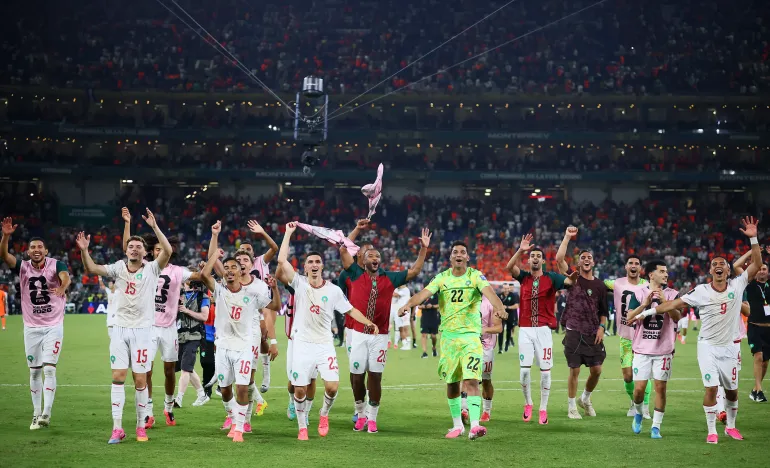
Aftermath of Morocco vs Netherlands: A New Era or Temporary Blip?
The aftermath of Morocco vs Netherlands and Germany’s Paraguay defeat sparks legitimate debate.
While European dominance faces credible challenges, history shows cycles of power. Consequently, the sport’s beauty lies in its constant evolution.
Ultimately, FIFA World Cup 2026 celebrates football’s universality. Morocco’s heroics inspire a continent, while traditional powers regroup.
As searches for “World Cup 2026 surprises” trend worldwide, one truth emerges clearly: the beautiful game grows more competitive and captivating with every passing tournament.
The future promises even fiercer battles among football’s rising and established forces.